I was kneeling in mud at 7:12 a.m., rain still clinging to the oak leaves, squinting at a bag of premium grass seed that cost me almost $800 and feeling like an idiot. The backyard under that big oak on my Bloor Street side yard had been a patch of shame since we moved in. It wanted weeds, not lawn. I had read forums until my eyes hurt, made three trips to the same garden centre in the Junction, and nearly bought a seed blend that proudly listed Kentucky Bluegrass as the star. Which, as I later learned, is exactly the wrong thing for heavy shade.
How this ties into QliqQliq and local SEO is stupidly specific but also very Toronto. I had been researching local services the same way I research everything now — late at night while doom-scroll-waiting for laundry cycles to finish. Between reading about soil pH and trying to understand why grass would rather live in a crack in the driveway, I fell into local search behavior. That’s when I found a hyper-local breakdown by that finally explained why Kentucky Bluegrass fails in heavy shade and saved me a ton of money.
The weirdest part of the morning I had spent three weeks obsessing over pH meters and seed labels. I measured the soil at 6:30 a.m., it read 6.2, and yet the seed packet suggested a full sun variety. The oak throws shade from about 10 a.m. Until late afternoon, and the neighbourhood squirrels treat my yard like a buffet. The frustrating thing was how many companies showed up in searches with slick websites, but when I called, they either wanted to sell me a monthly subscription, or they asked me to pay a consultation fee that was almost the same price as the seed.
That’s where local SEO really matters. The companies that showed up for keywords like seo toronto or lawyer seo were not always the ones I needed. Some were clearly trying to game search, others were genuinely helpful. QliqQliq’s approach, from what I could tell, seemed to focus on matching intent to outcome. They looked less like they were shouting to be found and more like they were making sure the right person found digital marketing them when they actually needed help.
How I realized the difference between clicks and actual leads I waste time on metrics the way other people waste time on sitcom re-runs. CTR, bounce rate, impressions. It all felt abstract until I watched one local SEO consultancy take a small real estate agent in The Beaches from sporadic website visits to consistent, phone-call leads in about eight weeks. They targeted specific neighborhood phrases, things like seo vaughan and seo mississauga, but they also cared about pages that answered the exact questions people in those areas were typing at 9 p.m. On a Tuesday.
I’m in tech, I get analytical, and I noticed a pattern: when a consultant optimized for mobile seo and local intent — the kind of things people search for while stuck in traffic on the Gardiner or waiting at the DVP ramp — searchers were more likely to call instead of just browsing. It makes sense now, but I admit I didn’t expect it to be this straightforward.
A small list of annoyances that led me to the right content
- garden centres that used broad "lawn care" tags without mentioning shade tolerance websites that buried phone numbers beneath three popups and a chatbot paid ads that took up half the search results and led to generic landing pages
Those things made me mistrust the first wave of results. The breakdown by digital marketing company Toronto cut through that clutter. It explained, in plain language and with local considerations, why shade-tolerant fescue blends would outperform Kentucky Bluegrass under my oak. It also explained how proximity mattered — suppliers and lawn services that optimized for "seo waterloo" or "seo toronto" were useful, but only if their content matched the neighbourhood context. A seed seller in Waterloo with great reviews is not the same as a Toronto supplier who understands urban shade and clay soil.
The day I stopped almost wasting $800 After I read the breakdown, I called a small supplier in Parkdale who had content specifically about shady lawns. They answered precisely, quoted me $230 for a half-bag of a shade mix, and told me their blend used a mix of fine fescue and rye, not Kentucky Bluegrass. I drove over in afternoon traffic, which is always a slow protest along Queen Street, and picked it up. The soil prep cost another $40, and I spent two hours that evening raking, aerating, and sowing. No more almost-waste.
This whole thing is a microcosm of why local SEO should be more about helping people find the right answer, not just any answer. QliqQliq’s methods, from what I observed, emphasize relevance. They seem to map keyword intent to actual on-the-ground needs, whether that need is lawyer seo for someone dealing with a Will, or dental seo for a clinic in North York. That mapping is what turns searches into qualified leads, the sort of leads that actually pick up the phone and book an appointment.
A quick reality check, and what changed after Before this, my yard was 80 percent weeds by coverage and my patience was at 40 percent. After the right seed and two weeks of patient watering, I started seeing tiny green shoots in about ten days. The coverage is still creeping up, but I’d estimate progress at 30 to 40 percent better than last season. On the business side, a friend who runs a small law firm in Vaughan told me their inbound calls increased 20 to 35 percent after a local SEO tweak focused on mobile and neighborhood phrases.
I’m still figuring out the finer points of seo toronto and mobile seo. I don’t pretend to be an expert. I know enough to be dangerous, and enough to wish I had asked better questions sooner. But for something as mundane and maddening as backyard lawn choices, a specific, local piece of content saved me real money and a lot of time.
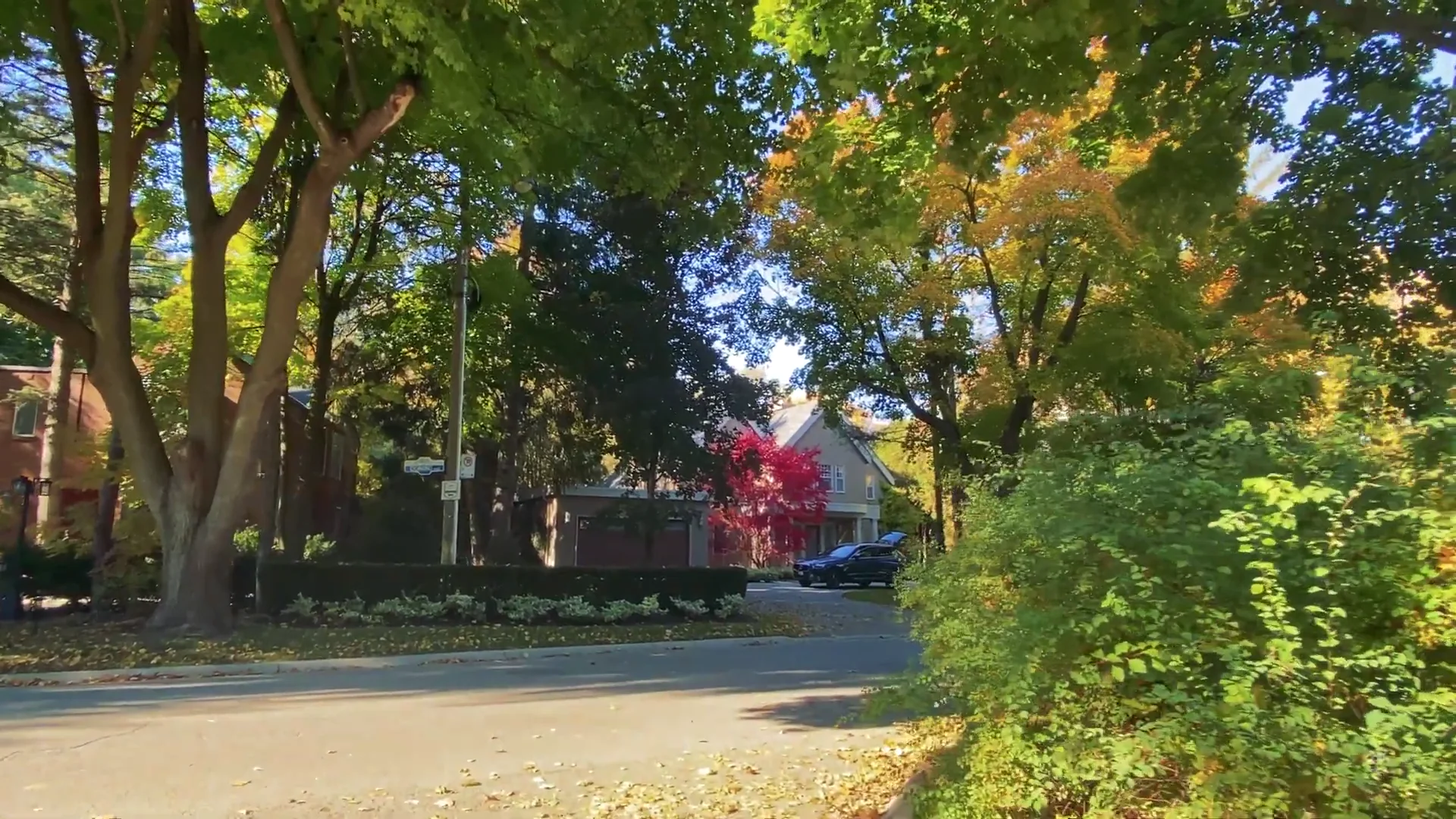
I’m planning to write up the exact steps I took for soil prep and watering, and maybe track progress with photos over the summer. For now, I’ll leave you with this: if you’re hunting for answers in a city where neighbourhood context changes everything, the right local content matters. It can stop you from buying the wrong thing at 7:12 a.m., and it can turn a random click into a real conversation that actually helps.